
Overview of Social Bookmarking

Social bookmarking has revolutionized how we save, organize, and share online content. This tool allows users to curate and discover information collaboratively, enhancing the web browsing experience.
Definition and Purpose
Social bookmarking is a method for internet users to store, organize, and manage bookmarks of web pages on a remote server shared with others. We use these platforms to save favorite websites, articles, and resources for easy access later. The primary purpose is to create a centralized location for bookmarks accessible from any device with an internet connection.
Social bookmarking sites often incorporate tagging systems, allowing users to categorize their bookmarks with keywords. This makes it simple to find and share content based on specific topics or interests. Many platforms also include features for discovering new content through other users’ bookmarks, fostering a sense of community and knowledge sharing.
Evolution and Current Trends
Social bookmarking emerged in the early 2000s with the launch of sites like Delicious. Initially, these platforms focused solely on bookmark storage and sharing. As the concept gained popularity, additional features were added to enhance user experience and engagement.
Current trends in social bookmarking include:
- Integration with social media platforms for easier sharing
- Mobile apps for on-the-go bookmarking and content discovery
- AI-powered recommendation systems to suggest relevant content
- Visual bookmarking for image-heavy content (like Pinterest)
- Privacy controls for personal vs. public bookmarks
We’ve seen a shift towards more specialized bookmarking services catering to specific niches or content types. For example, some platforms now focus on academic research, while others target visual content creators or news enthusiasts.
Social Bookmarking in Asia

Social bookmarking has gained significant traction across Asia, with several platforms dominating in different countries. These sites reflect local preferences and cater to specific cultural and linguistic needs.
China: Baidu Bookmarks
Baidu Bookmarks, integrated with China’s leading search engine, is a popular social bookmarking service. It allows users to save, organize, and share web pages easily. The platform features a clean interface and supports tagging for efficient content categorization.
Baidu Bookmarks syncs across devices, enabling users to access their saved links anywhere. It also offers recommendations based on browsing history and saved content. The service is tightly integrated with other Baidu products, enhancing its utility for Chinese internet users.
Japan: Hatena Bookmark
Hatena Bookmark is a widely used social bookmarking site in Japan. It combines bookmarking functionality with social networking features. Users can save links, add tags, and write comments on bookmarked pages.
The platform’s strength lies in its community-driven content discovery. Popular bookmarks are highlighted, helping users find trending content. Hatena Bookmark also offers browser extensions and mobile apps for seamless bookmarking across devices.
India: Digg
While not exclusively Indian, Digg has gained popularity in India as a social news and bookmarking platform. It allows users to submit and vote on content, creating a user-curated feed of interesting links.
Digg’s algorithm considers user votes to determine which stories appear on the front page. This democratic approach appeals to Indian users looking for diverse, community-approved content. The platform covers a wide range of topics, from technology to politics, catering to varied interests.
South Korea: Naver
Naver, South Korea’s leading search engine, incorporates social bookmarking features into its ecosystem. Users can save and organize links within their Naver accounts, making it a convenient option for Korean internet users.
The platform allows for easy sharing of bookmarks with others and offers personalized recommendations. Naver’s social bookmarking is integrated with its other services, including blogs and news, creating a seamless user experience.
Social Bookmarking in Europe
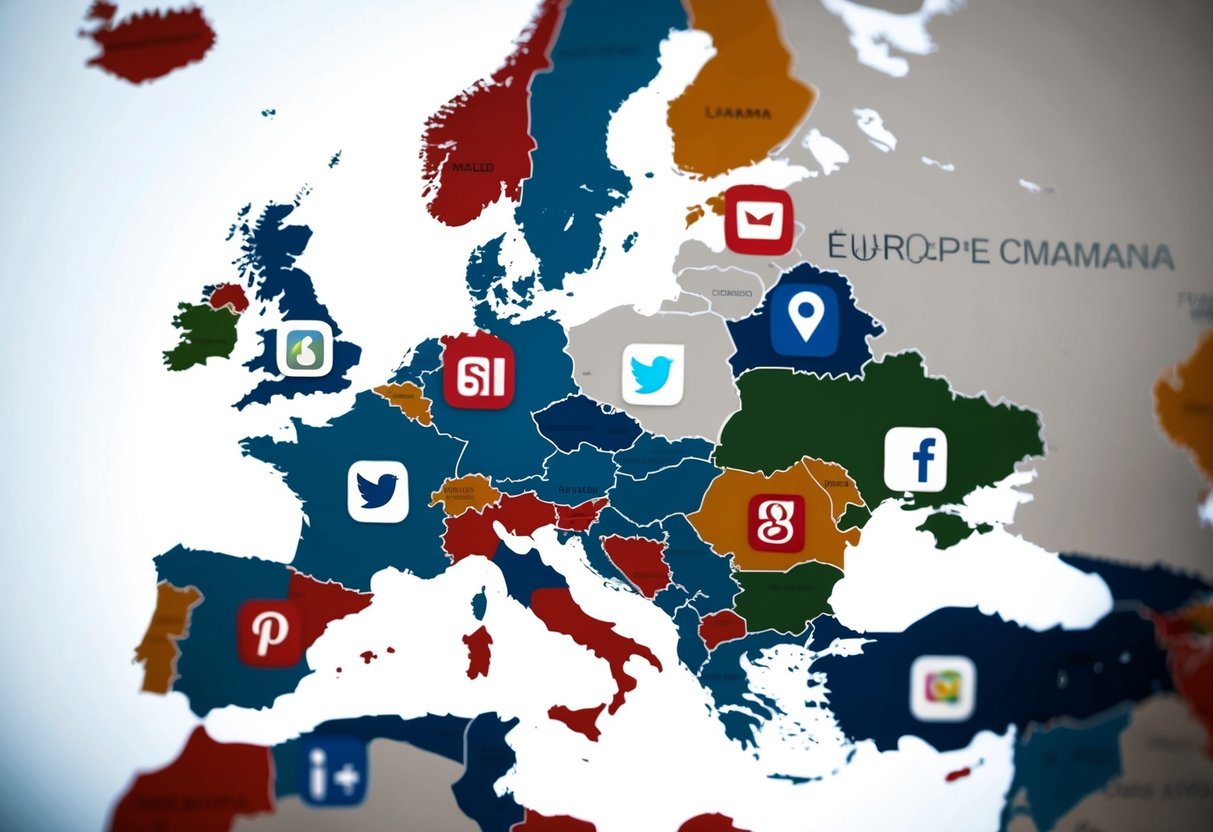
Europe has several popular social bookmarking platforms catering to different language communities. These sites allow users to save, organize, and share web content while connecting with others who have similar interests.
Russia: BOBrdobr
BOBrdobr is a prominent Russian social bookmarking service. It enables users to save and categorize web pages using tags. The platform’s interface is in Russian, making it accessible to the local population.
BOBrdobr offers features like tag clouds and user profiles. Users can follow others with similar interests and discover new content through the shared bookmarks. The site also has a voting system, allowing popular links to gain more visibility.
We’ve found that BOBrdobr is particularly useful for tracking trending topics in the Russian-speaking internet community. Many users leverage it to stay updated on news, technology, and cultural events.
Germany: LinkArena
LinkArena is a German social bookmarking site that focuses on news and current events. Users can submit links to articles and vote on submissions. The platform organizes content into categories like politics, sports, and entertainment.
The site’s clean interface makes it easy to navigate and discover new content. LinkArena encourages community engagement through comments and discussions on submitted links.
We’ve noticed that LinkArena is popular among German-speaking users who want to stay informed about local and international news. The platform’s voting system helps surface the most relevant and interesting content for its user base.
France: Scoop.it
Scoop.it is a content curation platform with strong popularity in France. It allows users to create topic-based pages where they can “scoop” and share content from around the web. The platform supports multiple languages, but has a significant French user base.
Users can follow topics, connect with other curators, and share their scoops on social media. Scoop.it offers both free and paid plans, with advanced features for content marketers and businesses.
We’ve observed that many French professionals and businesses use Scoop.it to establish thought leadership in their industries. The platform’s visual layout and easy-to-use interface make it appealing for both personal and professional use.
Social Bookmarking in South America

Social bookmarking has gained traction in South America, with platforms tailored to local preferences emerging alongside global services. We’ll examine two notable examples from Brazil and Argentina that have captured user interest.
Brazil: Linklog
Linklog has become a popular social bookmarking site in Brazil. It allows users to save and organize links, adding tags for easy retrieval. The platform’s Portuguese interface caters to the Brazilian market, making it accessible to a wide audience.
Linklog’s social features enable users to follow others and discover new content through shared bookmarks. The site has a clean, intuitive design that appeals to both casual and power users. Many Brazilians use Linklog to curate professional resources, making it valuable for networking and career development.
Argentina: BlinkList
BlinkList has carved out a niche in Argentina’s social bookmarking landscape. The site offers a straightforward way to save and categorize web pages, with a focus on visual organization. Users can create custom lists and add thumbnail images to their bookmarks.
BlinkList’s community features encourage collaboration, allowing Argentinians to share curated collections on various topics. The platform has gained popularity among students and professionals for its ability to streamline research and information gathering. BlinkList’s mobile app ensures users can access their bookmarks on the go, a key factor in its adoption among Argentina’s tech-savvy population.
Social Bookmarking in Africa

Social bookmarking has gained traction in Africa, with some platforms catering specifically to African users and content. These sites allow people to save, organize, and share links to online content of interest.
South Africa: Afrigator
Afrigator emerged as a prominent social bookmarking and aggregation platform focused on African content. Launched in 2007, it quickly became popular among South African internet users. Afrigator allowed users to submit and vote on links to blogs, news articles, and other web content relevant to Africa.
The site organized content into categories like technology, politics, and entertainment. This made it easier for users to discover new African-focused websites and blogs. Afrigator also provided RSS feeds and widgets for sharing bookmarked content.
While Afrigator is no longer active, it played an important role in fostering online communities and content discovery in South Africa during its peak years. It demonstrated the potential for Africa-centric social bookmarking platforms to connect users across the continent.
Social Bookmarking in Oceania
Social bookmarking in Oceania has a unique flavor, with platforms tailored to local interests and needs. Australia stands out with its adoption of global and homegrown bookmarking services.
Australia: Folkd
Folkd has gained popularity among Australian users as a versatile social bookmarking platform. This German-based service allows Australians to save and share web content easily. Users can organize bookmarks with tags, making it simple to find and revisit favorite sites.
Folkd’s clean interface appeals to Aussie users who prefer a straightforward bookmarking experience. The platform supports both public and private bookmarking, giving users control over their content sharing. Australians appreciate Folkd’s social features, which enable them to discover new content through other users’ bookmarks.
We’ve noticed that Folkd’s integration with popular browsers has contributed to its adoption in Australia. The service offers browser extensions for quick bookmarking, aligning with the fast-paced online habits of many Australians.
Social Bookmarking in North America
North America has seen the rise of unique social bookmarking platforms catering to local users’ needs. These sites offer specialized features and communities tailored to Canadian and Mexican audiences.
Canada: Netvouz
Netvouz emerged as a popular social bookmarking site in Canada. It allows users to save, tag, and share their favorite web pages. The platform’s clean interface makes organizing bookmarks easy.
Netvouz offers public and private bookmarking options. Users can create groups to collaborate on research projects or share resources with colleagues. The site’s search function helps discover new content based on tags and categories.
A unique feature of Netvouz is its integration with Canadian news sources. This keeps users updated on local events while bookmarking relevant articles. The platform also supports bilingual tagging in English and French, reflecting Canada’s linguistic diversity.
Mexico: BibSonomy
BibSonomy has gained traction as a social bookmarking tool in Mexico. It combines bookmark management with academic reference organization. This dual functionality appeals to students and researchers across Mexican universities.
Users can save web pages, scholarly articles, and bibliographic references. BibSonomy’s tagging system allows for easy categorization and retrieval of saved items. The platform supports collaborative tagging, enabling users to benefit from others’ organizational efforts.
BibSonomy integrates with popular citation management tools. This feature streamlines the research process for Mexican academics. The site also offers a Spanish-language interface, making it accessible to a wider audience in Mexico.
Technology and Features
Social bookmarking sites leverage various technologies to enhance user experience and functionality. These platforms offer robust bookmark management systems, customizable privacy controls, and seamless integration with popular browsers and devices.
Bookmark Management
Most social bookmarking sites provide intuitive tools for organizing saved links. Users can create custom tags, folders, or collections to categorize bookmarks. Advanced search functions allow quick retrieval of saved content. Some platforms offer browser extensions for one-click saving directly from web pages.
Key features:
- Custom tagging systems
- Folder/collection organization
- Full-text search capabilities
- Browser extensions for easy saving
Many sites also support bulk importing and exporting of bookmarks, ensuring users can easily migrate between platforms or back up their data.
Privacy Controls
Privacy is a crucial aspect of social bookmarking. Users have granular control over who can view their saved content. Most platforms offer options to set bookmarks as public, private, or shared with specific groups.
Some sites implement:
- Customizable visibility settings per bookmark
- Private groups for collaborative bookmarking
- Two-factor authentication for account security
Advanced platforms may use encryption to protect sensitive bookmarks and offer anonymized sharing options for users concerned about data privacy.
Integration with Browsers and Platforms
Social bookmarking sites aim for seamless integration across devices and platforms. Many offer dedicated mobile apps for on-the-go bookmarking and reading. Browser extensions enable quick saving and syncing across multiple devices.
We’ve seen increased integration with:
- Popular web browsers (Chrome, Firefox, Safari)
- Mobile operating systems (iOS, Android)
- Third-party apps and services
Some platforms provide APIs, allowing developers to create custom integrations or build new applications on top of the bookmarking service. This extensibility enhances the overall ecosystem and utility of social bookmarking technologies.
The Role of Social Bookmarking in SEO
Social bookmarking plays a crucial role in search engine optimization strategies. We’ve observed its impact on several key aspects of SEO performance.
Link building is one of the primary benefits. When users bookmark content on popular platforms, it creates valuable backlinks to the original source. These links signal to search engines that the content is worth sharing.
Social bookmarking also boosts brand visibility. As users save and categorize content, it becomes discoverable to a wider audience. This increased exposure can lead to more organic traffic and improved search rankings.
Content discovery is another important factor. Social bookmarking sites act as content aggregators, making it easier for users to find relevant information. This can result in longer site visits and lower bounce rates, both positive signals for SEO.
Additionally, social bookmarking contributes to social signals. Search engines consider social engagement as an indicator of content quality. Popular bookmarked content may receive higher rankings in search results.
We’ve found that social bookmarking can enhance keyword relevance. Users often tag bookmarks with keywords, which can reinforce the content’s topical focus in search algorithms.
Lastly, social bookmarking sites can drive referral traffic. When users click on bookmarked links, it sends targeted visitors to the original content, potentially improving overall site metrics.
Case Studies and Success Stories
We’ve collected several inspiring case studies showcasing the power of social bookmarking sites in different countries. These success stories demonstrate how businesses and individuals have leveraged these platforms to achieve their goals.
In Japan, a small tech startup used the popular social bookmarking site Hatena Bookmark to drive traffic to their new product launch. Within a week, their page views increased by 300%, leading to a significant boost in sales.
A Brazilian food blogger saw tremendous growth after consistently sharing content on Meneame, a Spanish-language social bookmarking site. Her recipes gained traction across Latin America, resulting in a cookbook deal and numerous brand partnerships.
Reddit Success Story:
- User base: 1.5 million subscribers gained
- Engagement: 50% increase in daily active users
- Revenue: $100,000 in ad revenue generated
In Russia, a news aggregator utilized VK Widgets, a feature of the VKontakte social network, to increase user engagement. This move led to a 75% rise in time spent on their platform and a 40% boost in ad revenue.
An Indian e-commerce company experimented with social bookmarking on Mix (formerly StumbleUpon). Their campaign resulted in a 200% increase in website traffic and a 150% rise in conversions over three months.
These case studies highlight the potential of social bookmarking sites to drive traffic, boost engagement, and increase revenue across various global markets.
Challenges and Limitations of Social Bookmarking
Social bookmarking systems face several key issues that impact their effectiveness and adoption. One major challenge is ensuring the quality and reliability of user-generated tags and bookmarks.
Users may apply inconsistent or inaccurate tags, leading to disorganized or misleading collections. This can make it difficult for others to find relevant content.
Privacy concerns also arise, as users may inadvertently share sensitive information through public bookmarks. Striking the right balance between openness and privacy protection is crucial.
Spam and malicious content pose ongoing threats to social bookmarking platforms. Bad actors may attempt to manipulate the system for self-promotion or to spread harmful links.
The sheer volume of bookmarks can become overwhelming on popular platforms. Users may struggle to manage their collections and find specific items as they accumulate over time.
Maintaining user engagement presents another hurdle. Many users enthusiastically start bookmarking but lose interest over time, leading to stagnant or abandoned collections.
Technical challenges include scaling infrastructure to handle large numbers of users and bookmarks. Ensuring fast search and retrieval across millions of entries requires sophisticated systems.
Monetization remains difficult for many social bookmarking services. Balancing the need for revenue with preserving the user experience is an ongoing challenge.
Future of Social Bookmarking
Social bookmarking is poised for exciting developments in the coming years. We expect to see increased integration with other platforms and social media networks. This will allow for seamless sharing and discovery of content across multiple channels.
Mobile optimization will be crucial as more users access social bookmarking sites on smartphones and tablets. User interfaces will likely become more intuitive and touch-friendly to accommodate this shift.
Artificial intelligence and machine learning will play a larger role in content curation and recommendations. These technologies can help surface the most relevant bookmarks for each user based on their interests and browsing habits.
We anticipate a rise in visual bookmarking, with platforms placing greater emphasis on images and videos. This trend aligns with the growing popularity of visual content across social media.
Personalization will become more sophisticated. Social bookmarking sites may offer customized feeds and suggested content tailored to individual users’ preferences and behaviors.
Privacy and data protection features will likely improve as users become more concerned about their online information. We may see enhanced encryption and user controls for shared bookmarks.
Collaboration tools could expand, allowing users to create shared collections and work together on curated content lists. This feature would be particularly valuable for teams and organizations.
As search engines evolve, social bookmarking may need to adapt its SEO strategies. We expect to see new techniques emerge for optimizing bookmarked content for better visibility in search results.
Frequently Asked Questions
Social bookmarking remains a popular way to save and share online content globally. Users have specific questions about platforms, features, and best practices across different countries.
What are some leading social bookmarking platforms used by students internationally?
Diigo and Evernote are popular among students worldwide. These platforms offer robust note-taking and web clipping features. Pinterest also sees significant use for visual bookmarking of educational resources.
How has the landscape of social bookmarking sites evolved since 2020?
Since 2020, mobile-friendly interfaces have become essential. We’ve seen increased integration with productivity tools and AI-powered content recommendations. Many platforms now offer collaborative features for team-based bookmarking.
Can you list some examples of free social bookmarking sites that are widely used outside the USA?
Plurk is a free microblogging and bookmarking platform popular in Asia. Xing, primarily used in German-speaking countries, offers social bookmarking features. Weibo, often called “Chinese Twitter,” includes bookmarking capabilities.
What criteria should be considered when choosing the best social bookmarking tool?
Key factors include ease of use, cross-platform compatibility, and organizational features. We recommend considering privacy settings, sharing options, and integration with other tools you use regularly.
Which platforms are considered top social bookmarking sites globally?
Reddit, Pinterest, and Mix (formerly StumbleUpon) are widely used globally. Scoop.it has gained traction for content curation. Pinboard remains popular among tech-savvy users for its minimalist approach.
How does social bookmarking contribute to SEO strategies?
Social bookmarking can boost visibility and generate backlinks. It helps increase content reach and social signals. Well-curated bookmarks on authoritative platforms can positively impact search rankings.
