
Understanding Your Audience

Effective video content creation hinges on knowing who we’re making videos for. By comprehending our viewers’ preferences, needs, and behaviors, we can craft content that resonates and engages.
Defining Target Demographics
We start by identifying key characteristics of our ideal viewers. This includes age ranges, gender distribution, geographic locations, and occupations. We also consider their interests, hobbies, and pain points related to our content niche.
Creating detailed viewer personas helps visualize our target audience. These profiles include:
- Name and photo
- Age and occupation
- Goals and challenges
- Preferred video platforms
- Content consumption habits
By referring to these personas, we ensure our videos address real audience needs and preferences.
Analyzing Viewership Analytics
Data-driven insights guide our content strategy. We regularly review metrics like:
- Watch time
- Retention rates
- Click-through rates
- Engagement (likes, comments, shares)
- Subscriber growth
These numbers reveal which topics and formats resonate most. We use A/B testing to compare different video styles, lengths, and posting times. This helps optimize our content for maximum impact.
Platform-specific analytics tools provide valuable information. YouTube Studio, for instance, offers detailed audience demographics and traffic sources.
Tailoring Content to Viewer Preferences
Armed with demographic data and performance metrics, we customize our videos to suit audience tastes. This involves:
- Selecting topics that address common questions or interests
- Adapting our language and tone to match viewer demographics
- Choosing video lengths based on platform norms and attention spans
- Incorporating popular formats like tutorials, vlogs, or interviews
We also encourage viewer feedback through comments and surveys. This direct input helps us refine our content strategy and build a loyal community.
Content Planning
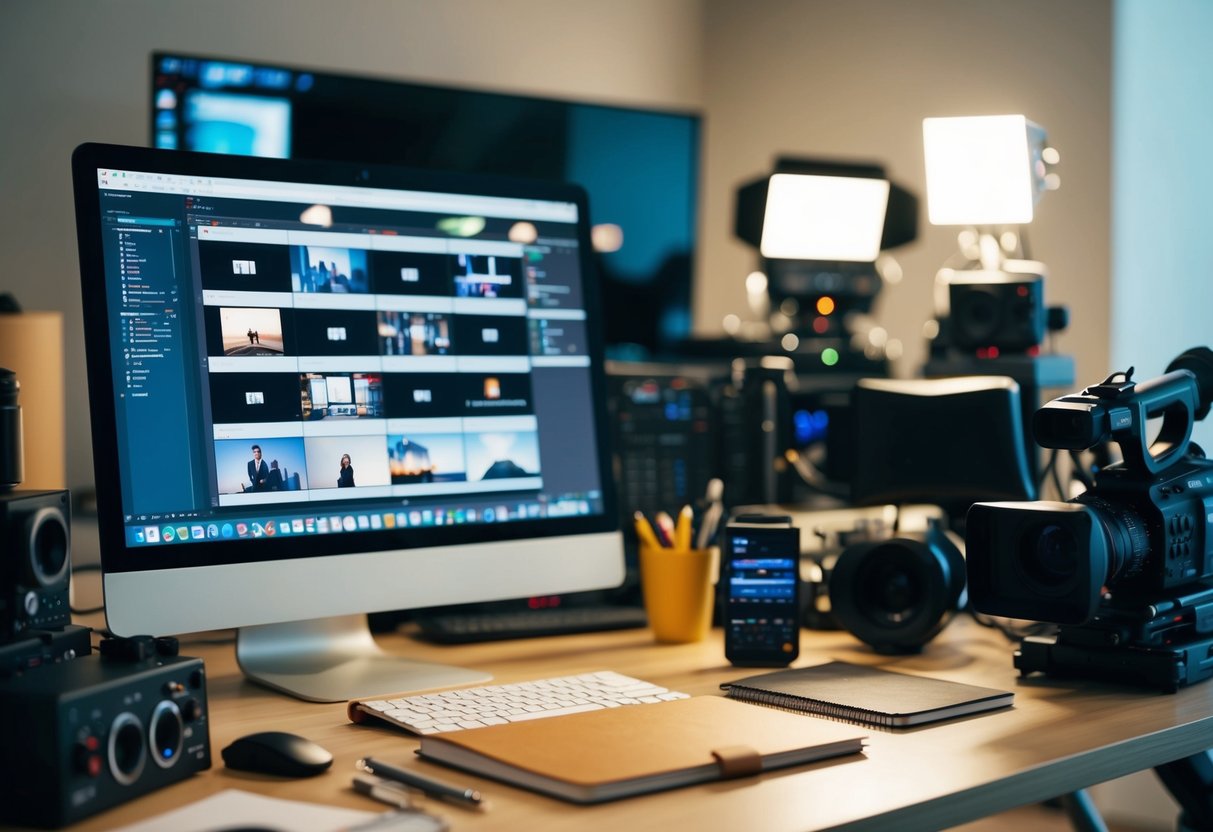
Content planning is crucial for successful video creation. It lays the foundation for consistent, high-quality output that resonates with your audience and achieves business goals.
Developing a Content Strategy
We start by defining clear objectives for our video content. What do we want to achieve? Increased brand awareness, lead generation, or product education? Next, we identify our target audience and their preferences. This helps us tailor our content to their needs and interests.
We analyze competitors to find gaps in the market we can fill. It’s important to determine our unique value proposition. What makes our content stand out? We also decide on the types of videos we’ll create – tutorials, testimonials, or behind-the-scenes footage.
Lastly, we choose the platforms where we’ll share our content. Each platform has its own best practices and audience expectations.
Creating an Editorial Calendar
An editorial calendar keeps us organized and on track. We map out video topics, release dates, and promotion plans. This ensures a steady flow of content and helps us align with marketing initiatives and seasonal events.
We use tools like spreadsheets or project management software to create our calendar. It includes deadlines for scripting, filming, editing, and publishing. We also note any required resources or team members involved in each project.
Regular review and adjustment of the calendar is essential. We stay flexible to accommodate new opportunities or changes in strategy.
Series and Thematic Planning
Planning series or themed content can boost engagement and create anticipation. We brainstorm ideas for multi-part video series that dive deep into specific topics. This approach allows us to thoroughly explore subjects our audience cares about.
Themed content aligns with holidays, industry events, or company milestones. We create a cohesive narrative across multiple videos, maintaining visual and tonal consistency. This strategy can increase viewer retention and encourage binge-watching.
We also consider how series and themes can be repurposed across different platforms. A long-form YouTube video might be broken into shorter clips for social media, maximizing our content’s reach and impact.
Content Creation Essentials
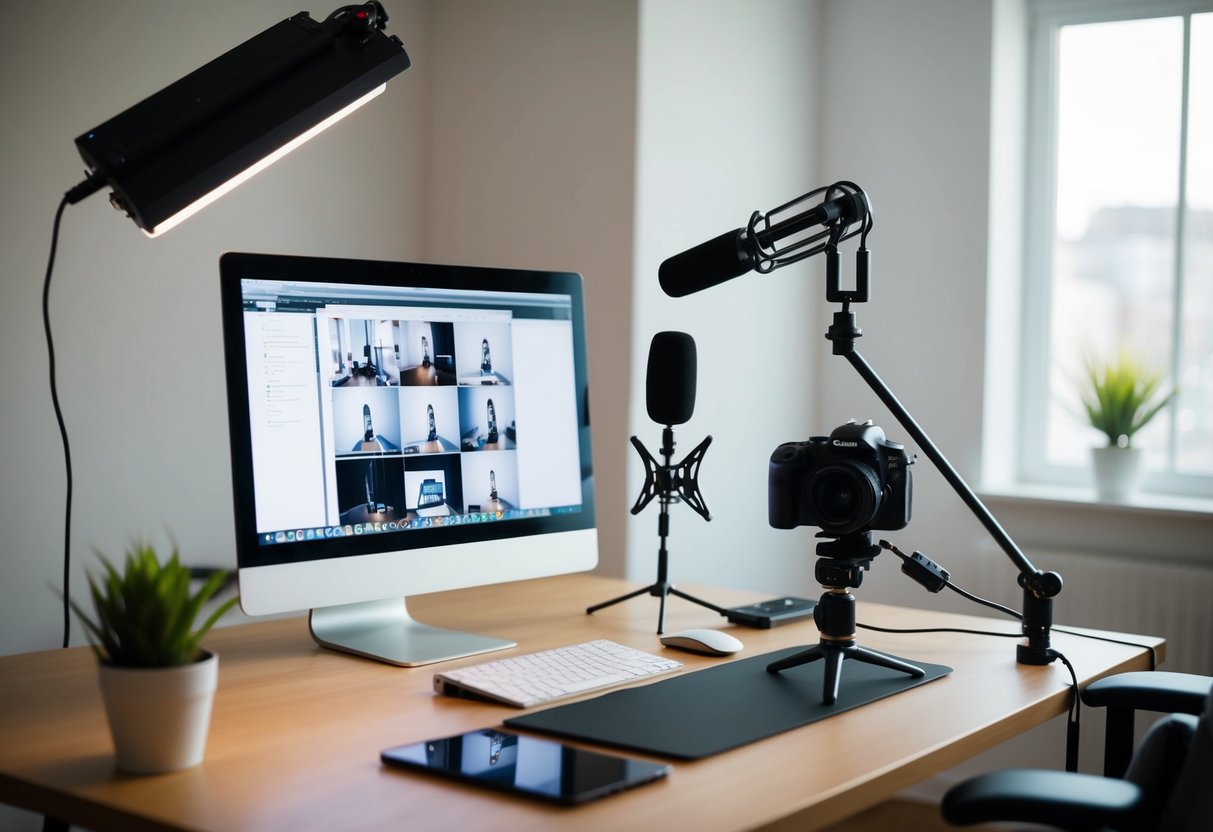
Creating effective video content requires mastering key technical and creative elements. We’ll explore the essential equipment, video formats, and techniques for lighting and sound that form the foundation of high-quality video production.
Choosing the Right Equipment
Selecting appropriate gear is crucial for video creation. A good-quality camera is the cornerstone – options range from smartphones to DSLRs and professional video cameras. Consider factors like resolution, low-light performance, and portability.
Tripods stabilize shots and are essential for professional-looking footage. For audio, invest in a decent external microphone. Lavalier mics work well for interviews, while shotgun mics capture wider sound.
Lighting equipment dramatically improves video quality. A basic three-point lighting setup includes a key light, fill light, and backlight. LED panels offer versatility and are energy-efficient.
Understanding Video Formats
Video formats impact file size, quality, and compatibility. Common formats include MP4, MOV, and AVI. MP4 is widely supported and offers good compression without significant quality loss.
Resolution affects video clarity. 1080p (Full HD) is standard, while 4K provides superior detail but requires more storage and processing power. Frame rates typically range from 24 to 60 fps, with higher rates creating smoother motion.
Aspect ratios determine video shape. 16:9 is standard for most platforms, but consider 1:1 for Instagram or 9:16 for vertical videos on TikTok and Instagram Stories.
Mastering Lighting and Sound
Proper lighting enhances video quality dramatically. Natural light is often best – position subjects near windows for soft, flattering illumination. For controlled environments, use a three-point lighting setup to eliminate shadows and create depth.
Avoid backlighting, which can silhouette subjects. Diffusers soften harsh light, creating a more pleasing look. Color temperature matters – match artificial lights to avoid mixed tones.
Sound quality is equally important. Record in quiet locations to minimize background noise. Use directional microphones to focus on your subject’s voice. Monitor audio levels to prevent distortion or low volume.
Consider acoustic treatments in your recording space to reduce echo. Lapel mics work well for interviews, while boom mics are great for capturing ambient sound in wider shots.
Storytelling Techniques

Effective storytelling is crucial for creating compelling video content. We’ll explore key techniques to craft engaging narratives, use storyboards and scripts, and incorporate visual elements that captivate audiences.
Crafting Engaging Narratives
A strong narrative structure forms the backbone of memorable video content. We start by identifying a clear protagonist and their goal or challenge. This creates an emotional connection with viewers.
Next, we introduce conflict or tension to drive the story forward. This could be an external obstacle or an internal struggle the protagonist faces.
We use a three-act structure: setup, confrontation, and resolution. This familiar pattern helps viewers follow along and become invested in the outcome.
Pacing is critical. We vary the rhythm, alternating between moments of high intensity and quieter scenes. This keeps viewers engaged throughout the video.
Using Storyboards and Scripts
Storyboards serve as visual blueprints for our videos. We sketch out key scenes, camera angles, and transitions. This helps us visualize the flow of the story before filming begins.
Scripts provide a detailed roadmap for dialogue, narration, and action. We focus on concise, impactful language that moves the story forward.
Here’s a simple storyboard template:
| Scene # | Visual | Audio | Duration |
|---|---|---|---|
| 1 | [Sketch] | [Dialogue/SFX] | [Seconds] |
We revise storyboards and scripts multiple times, refining the story elements and ensuring a cohesive narrative.
Incorporating Visual Storytelling
Visual elements play a crucial role in conveying emotions and information. We use color palettes to set the mood and tone of each scene.
Composition techniques like the rule of thirds help create visually appealing shots. We consider framing, depth, and perspective to guide viewers’ attention.
We employ visual metaphors to represent abstract concepts or emotions. For example, a wilting flower might symbolize a failing relationship.
Transitions between scenes can enhance the storytelling. We use techniques like match cuts or cross-dissolves to create visual continuity and reinforce thematic elements.
Production Quality

High-quality production elevates video content and captivates audiences. We’ll explore essential techniques for shooting polished footage, editing effectively, and incorporating special effects judiciously.
Shooting High-Quality Footage
Lighting is crucial for professional-looking videos. We recommend using three-point lighting to eliminate harsh shadows and create depth. A key light illuminates the subject, while fill and back lights add dimension.
Stable shots are equally important. Tripods or gimbals minimize camera shake, resulting in smoother footage. For moving shots, a slider can produce cinematic tracking movements.
Audio quality can make or break a video. We suggest using external microphones like lavaliers or shotgun mics to capture clear sound. Always monitor audio levels during recording to avoid distortion or background noise.
Composition techniques like the rule of thirds help frame subjects appealingly. By placing key elements along imaginary grid lines, we create visually balanced shots that draw viewers’ attention.
Editing for Clarity and Engagement
Effective editing maintains viewer interest and conveys messages clearly. We start by organizing footage and selecting the best takes. This streamlines the editing process and ensures we use only the highest quality material.
Pacing is key to engagement. We vary shot lengths to create rhythm, using shorter cuts for high-energy sequences and longer takes for emotional moments. This dynamic editing style keeps viewers invested in the content.
Transitions between scenes should be smooth and purposeful. While simple cuts often work best, well-chosen dissolves or wipes can enhance the flow of the video when used sparingly.
Color grading unifies the look of the footage and sets the mood. We adjust contrast, saturation, and color temperature to create a cohesive visual style that aligns with the video’s tone and message.
Using Special Effects Wisely
Special effects can enhance storytelling when applied judiciously. We use motion graphics to present data or complex ideas in an easily digestible format. Animated charts, graphs, or text overlays can clarify information effectively.
Visual effects (VFX) can create scenes that would be impossible or too costly to shoot practically. However, we ensure VFX blend seamlessly with live-action footage to maintain believability.
Green screen compositing allows for versatile backgrounds and settings. We pay close attention to lighting and color matching to make composited elements look natural and integrated.
Sound effects and music significantly impact viewer emotions and engagement. We carefully select audio elements that complement the visuals and enhance the overall viewing experience without overpowering the content.
Branding and Visual Identity
Effective branding and visual identity are crucial for creating impactful video content. A cohesive visual approach helps reinforce brand recognition and creates a memorable viewer experience.
Designing Consistent Visuals
We recommend establishing a clear visual style guide for all video content. This includes selecting a consistent color palette, typography, and graphic elements. Using templates for intros, outros, and lower thirds ensures a unified look across videos.
Custom animations and transitions that incorporate brand elements can elevate production quality. We suggest creating a library of branded visual assets to use consistently.
Stock footage and images should align with the brand’s aesthetic. Careful curation helps maintain visual consistency even when using third-party resources.
Incorporating Logos and Brand Colors
Strategic logo placement is key for brand reinforcement. We advise featuring logos in video intros and outros, as well as subtly in corner watermarks.
Brand colors should be prominently used in graphics, text overlays, and backgrounds. A color hierarchy helps guide viewer attention to important elements.
Animated logo reveals can add visual interest. We recommend developing 2-3 variations to use across different video types.
Maintaining Brand Voice
Video scripts and on-screen text must align with the brand’s established tone and personality. We suggest creating a brand voice guide specifically for video content.
Consistent narration style and musical choices reinforce brand identity. Selecting a signature voice actor or music genre creates continuity across videos.
On-screen talent should embody brand values in their appearance and delivery. Providing clear guidelines for presenters ensures they accurately represent the brand.
Channel Optimization
Optimizing your YouTube channel is crucial for maximizing visibility and engagement. We’ll explore key strategies to enhance your channel’s performance and attract more viewers.
Optimizing Video Titles and Descriptions
Crafting compelling titles and descriptions is essential for attracting viewers and improving search rankings. Use relevant keywords in your titles, keeping them concise yet descriptive. Aim for 60 characters or less to prevent truncation in search results.
For descriptions, front-load important information and keywords. Include a brief video summary, timestamps for longer content, and relevant links. Utilize the first 100-150 characters effectively, as they appear in search snippets.
Incorporate call-to-actions (CTAs) in your descriptions to encourage engagement. These can include subscribing, liking, or visiting your website.
Using Tags Effectively
Tags help YouTube understand your video’s content and context. Select relevant, specific tags that accurately describe your video. Start with broad category tags, then narrow down to more specific ones.
Use a mix of single-word and multi-word tags. Include variations of your main keywords and phrases viewers might search for. Avoid using irrelevant or misleading tags, as this can harm your channel’s credibility.
Limit your tags to 10-15 per video. Prioritize quality over quantity, focusing on the most relevant and impactful tags.
Leveraging Playlists for Increased Watch Time
Playlists are powerful tools for organizing content and increasing watch time. Create themed playlists that group related videos together. This encourages viewers to watch multiple videos in succession.
Use clear, descriptive titles for your playlists. Include relevant keywords to improve discoverability. Order videos within playlists strategically, placing high-performing or introductory content first.
Consider creating series playlists for content that follows a specific order. This helps viewers navigate through multi-part content easily. Regularly update and maintain your playlists to keep them relevant and engaging for your audience.
Engagement Strategies
Effective engagement strategies are crucial for maximizing the impact of video content. We’ll explore key approaches to foster viewer interaction, build community, and expand reach through collaboration.
Encouraging Viewer Interaction
We recommend incorporating interactive elements into videos to boost engagement. Adding polls, quizzes, or questions encourages viewers to actively participate. Including clear calls-to-action prompts viewers to like, comment, or share the content.
Utilizing end screens and cards can direct viewers to related videos or channels, increasing watch time and engagement. We suggest creating content that sparks discussion, such as asking for opinions or experiences related to the video topic.
Implementing timestamps in video descriptions allows viewers to easily navigate to specific sections, enhancing the user experience and encouraging longer watch times.
Responding to Comments
Actively engaging with viewers in the comment section is vital for building a loyal community. We advise responding promptly to comments, addressing questions, and acknowledging feedback.
Pinning relevant comments can highlight important information or start discussions. Encouraging viewers to leave timestamps for their favorite moments creates user-generated content and increases engagement.
Using heart reactions or custom responses adds a personal touch to interactions. We recommend hosting Q&A sessions or creating follow-up videos addressing common questions or popular topics from comments.
Collaborating with Other Creators
Partnering with other content creators can significantly expand reach and engagement. We suggest seeking collaborations with creators in similar or complementary niches to cross-pollinate audiences.
Creating joint videos, participating in challenges, or featuring in each other’s content can introduce fresh perspectives and attract new viewers. Hosting collaborative live streams or events can generate excitement and increase real-time engagement.
We recommend sharing behind-the-scenes content of collaborations to build anticipation and foster a sense of community among viewers. Implementing clear cross-promotion strategies ensures mutual benefits for all collaborators involved.
Monetization and Advertising
Video content creators can leverage various strategies to generate revenue from their work. Effective monetization involves understanding platform policies, exploring sponsorship opportunities, and implementing targeted advertising approaches.
Understanding Monetization Policies
We need to familiarize ourselves with the monetization policies of different video platforms. YouTube, for example, requires creators to have at least 1,000 subscribers and 4,000 watch hours in the past year to join their Partner Program.
Other platforms like TikTok and Instagram have their own criteria for monetization. It’s crucial to review these policies regularly, as they can change.
Some platforms offer revenue sharing from ads, while others provide tipping or subscription options. We should explore multiple platforms to diversify our income streams.
Exploring Sponsorship Opportunities
Sponsorships can be a lucrative way to monetize video content. We can reach out to brands that align with our niche and audience demographics.
Key steps include:
- Creating a media kit showcasing our channel statistics
- Pitching to relevant brands or using influencer marketing platforms
- Negotiating fair rates based on our reach and engagement
It’s important to disclose sponsorships clearly to maintain audience trust. We can integrate sponsored content seamlessly through product reviews, tutorials, or branded segments within our videos.
Implementing Advertising Strategies
Effective advertising strategies can significantly boost revenue. We should focus on:
- Optimizing video titles, descriptions, and tags for better discoverability
- Creating compelling thumbnails to increase click-through rates
- Using end screens and cards to promote other videos or products
Ad placement is crucial. We can experiment with different ad formats like pre-roll, mid-roll, or overlay ads to find the best balance between user experience and revenue generation.
Analyzing audience retention data helps identify optimal ad insertion points. We should also consider creating longer videos (over 10 minutes) to qualify for mid-roll ads on platforms like YouTube.
Analytics and Improvement
Video analytics provide valuable insights to refine content strategies and boost engagement. By examining key metrics, understanding audience behavior, and making data-driven adjustments, creators can continuously enhance their video performance.
Measuring Performance Metrics
We track several crucial metrics to gauge video success. View count indicates overall reach, while watch time reveals content quality and audience retention. Engagement metrics like likes, comments, and shares demonstrate viewer interest and interaction.
Click-through rate (CTR) measures how often viewers take desired actions after watching. Conversion rate tracks the percentage who complete goals like purchases or sign-ups.
For a comprehensive view, we analyze:
- Audience retention graphs
- Traffic sources
- Device and platform usage
- Demographics data
These metrics paint a clear picture of content performance and audience preferences.
Analyzing Viewership Trends
We examine viewership patterns to uncover valuable insights. Peak viewing times guide optimal posting schedules. Geographic data informs localization efforts.
Viewer behavior analysis reveals:
- Most engaging video sections
- Common drop-off points
- Popular topics and formats
By identifying trends across videos, we spot winning formulas and areas for improvement. A/B testing different thumbnails, titles, and video lengths helps refine our approach.
We also track how external factors like promotions or current events impact viewership.
Making Data-Driven Content Adjustments
Analytics guide our content optimization efforts. We use performance data to refine video topics, formats, and production techniques.
Key strategies include:
- Emphasizing high-performing content types
- Addressing common viewer pain points
- Improving video pacing based on retention data
- Tailoring content length to audience preferences
We adjust calls-to-action and end screens based on click-through rates. Viewer feedback and comments inform future topics and improvements.
Frequently Asked Questions
Video content creation involves many strategic considerations. We’ll address key aspects of developing effective strategies, planning content, measuring success, and connecting with audiences through compelling storytelling.
How can I develop an effective video marketing strategy for my brand?
Start by defining clear goals aligned with your overall marketing objectives. Research your target audience to understand their preferences and pain points. Analyze competitors’ video content to identify gaps and opportunities. Create a content calendar outlining topics, formats, and release schedules.
Invest in quality equipment and editing software within your budget. Consistency in style and messaging helps build brand recognition. Test different video types and platforms to see what resonates best with your audience.
What are the essential elements to include in a video content creation plan?
A comprehensive plan should include target audience profiles, content themes, and video formats. Define key performance indicators (KPIs) to measure success. Outline production processes, including pre-production, filming, and post-production steps.
Allocate resources for equipment, software, and talent. Create guidelines for branding, tone, and style to maintain consistency. Plan distribution channels and promotion strategies for each video.
What are the most successful types of video content in 2024?
Short-form vertical videos continue to dominate social media platforms. Educational content, such as how-to videos and explainers, remains popular. User-generated content and influencer collaborations drive high engagement.
Interactive videos, including shoppable content, are on the rise. Live streaming events and behind-the-scenes footage create authenticity. Personalized video experiences tailored to individual viewers show promising results.
How do you measure the success of your video marketing campaigns?
Track view counts, watch time, and completion rates to gauge audience interest. Analyze engagement metrics like likes, comments, and shares. Monitor click-through rates and conversions for videos with calls-to-action.
Use platform-specific analytics tools to understand audience demographics and behavior. Compare performance against predefined KPIs and industry benchmarks. Conduct A/B tests to optimize video elements and improve results over time.
What role does audience targeting play in creating video content?
Audience targeting is crucial for creating relevant, engaging videos. Research demographics, interests, and online behaviors of your target viewers. Use this data to tailor content topics, styles, and formats to their preferences.
Leverage platform targeting options to reach specific audience segments. Create buyer personas to guide content creation and ensure it addresses their needs and pain points. Analyze engagement data to refine targeting strategies continuously.
How can one incorporate storytelling in their video content creation?
Start with a clear narrative structure: beginning, middle, and end. Focus on relatable characters or situations that resonate with your audience. Use emotional hooks to capture attention and maintain interest throughout the video.
Show, don’t tell – use visuals to convey key messages. Incorporate customer testimonials or case studies to add authenticity. Keep stories concise and focused on a single main idea or takeaway.
