
Understanding SEO and Its Importance for Video Content

Search engine optimization (SEO) plays a crucial role in maximizing the visibility and impact of video content online. By implementing effective SEO strategies, we can significantly enhance the discoverability and reach of our videos across various platforms.
The Basics of SEO for Video
Video SEO focuses on optimizing video content to rank higher in search engine results pages (SERPs). This process involves several key elements:
- Descriptive titles: Create concise, keyword-rich titles that accurately reflect the video’s content.
- Engaging thumbnails: Design eye-catching thumbnails to increase click-through rates.
- Transcripts and closed captions: Include text versions of spoken content to improve accessibility and searchability.
- Video sitemaps: Submit sitemaps to search engines to help them understand and index video content.
By implementing these fundamental SEO practices, we can significantly improve our videos’ visibility and attract more viewers.
How Search Engines Rank Video Content
Search engines use complex algorithms to determine video rankings. Key factors include:
- Relevance: How well the video matches the user’s search query
- Engagement: Metrics such as watch time, likes, comments, and shares
- Quality: High-resolution videos with clear audio tend to rank better
- Backlinks: The number and quality of websites linking to the video
Search engines also consider the overall authority of the hosting platform and the website where the video is embedded. By focusing on these ranking factors, we can optimize our videos for better search engine performance.
The Role of Keywords in Video SEO
Keywords are essential in connecting our video content with user searches. To effectively use keywords:
- Conduct thorough keyword research to identify relevant terms and phrases.
- Incorporate target keywords naturally in video titles, descriptions, and tags.
- Use long-tail keywords to capture specific search intent.
- Include keywords in file names and alt text for video thumbnails.
It’s important to strike a balance between keyword optimization and creating engaging, user-friendly content. Over-optimization can lead to penalties from search engines, so we must prioritize providing value to our audience while strategically incorporating keywords.
Crafting Compelling Video Titles and Descriptions

Creating effective titles and descriptions is crucial for maximizing the visibility and appeal of your video content. These elements play a key role in attracting viewers and improving search rankings.
Writing Engaging Titles for Better Click-Through Rates
We recommend using emotive language to create an instant connection with your audience. Words like “mouthwatering,” “heartwarming,” or “mind-blowing” can add emotional depth to your titles. It’s important to ensure your title aligns with the video’s content to meet viewer expectations.
Incorporating power words and elements of curiosity can drive viewers to click. For example, “Revealed: 5 Secret SEO Techniques” is more compelling than a generic title. We suggest keeping titles concise, ideally under 60 characters, to prevent truncation in search results.
Consider using numbers or lists in your titles, such as “7 Ways to Boost Your Website Traffic.” This format clearly communicates the value viewers will receive.
Optimizing Video Descriptions with Keywords
Video descriptions are prime real estate for SEO. We recommend including relevant keywords naturally throughout the text. Start with a brief, engaging summary of your video content in the first 1-2 sentences.
Use the remaining space to provide additional context, timestamps for key moments, and links to related resources. This helps both viewers and search engines understand your content better.
- Include primary keywords in the first 100 characters
- Add secondary keywords throughout the description
- Use natural language and avoid keyword stuffing
Utilizing Metadata to Improve Visibility
Metadata plays a crucial role in helping search engines understand and categorize your video content. We suggest using relevant tags that accurately describe your video’s topic and content. Aim for a mix of broad and specific tags to capture various search intents.
Create custom thumbnails that are visually appealing and representative of your video content. A compelling thumbnail can significantly improve click-through rates.
Consider adding closed captions or subtitles to your videos. This not only improves accessibility but also provides additional text for search engines to index, potentially boosting your video’s visibility in search results.
Selecting the Right Platform for Your Videos
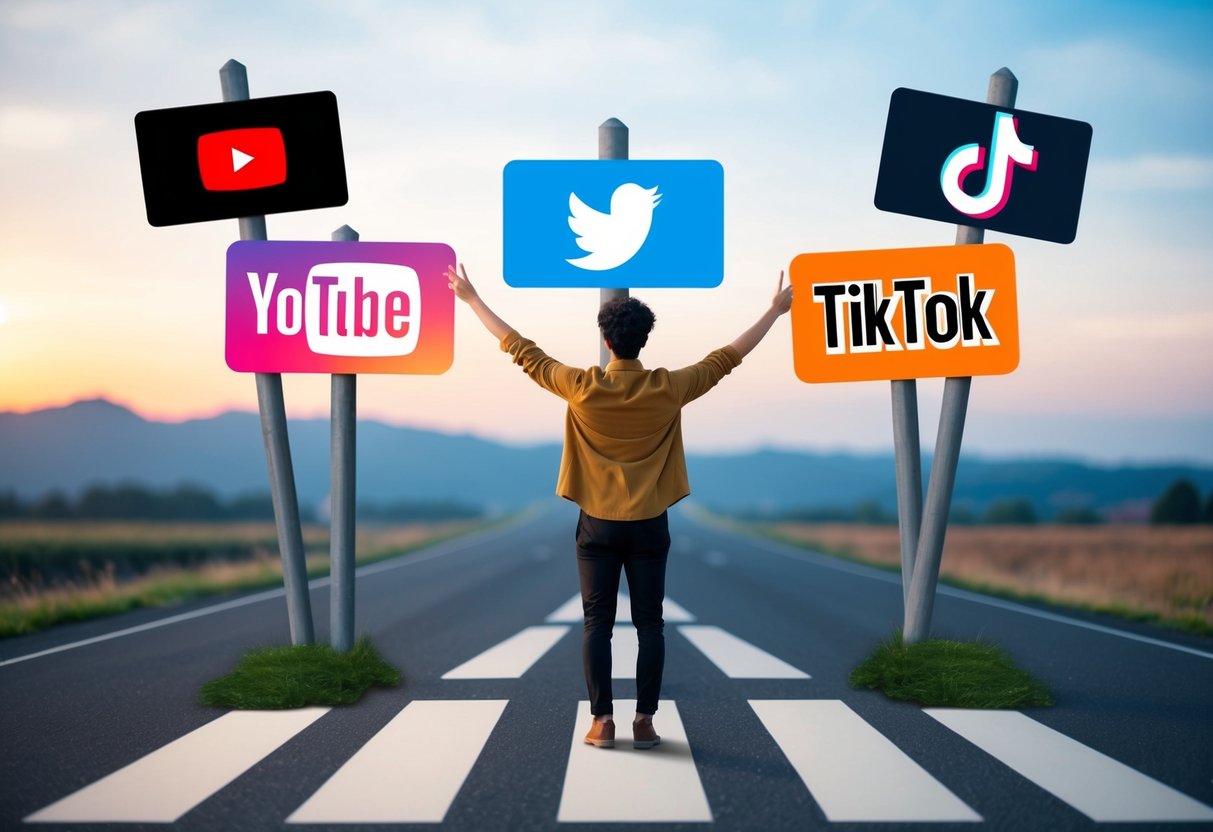
The platform you choose for hosting your videos can significantly impact their SEO performance and reach. We’ll explore key factors to consider and compare popular hosting options to help you make an informed decision.
Comparing Video Hosting Platforms
YouTube remains the most popular video hosting platform, with over 2 billion monthly active users. It offers robust SEO features and a built-in audience. Vimeo caters to professionals and creatives, providing high-quality playback and customization options. TikTok has exploded in popularity, especially among younger audiences, with its short-form vertical video format.
Wistia and Brightcove are business-focused platforms offering advanced analytics and lead generation tools. Instagram and Facebook are ideal for brands with strong social media presences. Each platform has unique strengths and audience demographics.
Factors to Consider When Choosing a Platform
Video quality and playback options are crucial. Ensure the platform supports your desired resolution and offers smooth streaming. SEO capabilities vary widely between platforms. Look for options that allow custom titles, descriptions, and tags.
Audience reach is another key factor. Consider where your target viewers spend their time online. Analytics tools help track performance and viewer engagement. Some platforms offer more detailed insights than others.
Monetization options may be important if you plan to generate revenue from your videos. YouTube’s Partner Program and TikTok’s Creator Fund are popular choices. Cost is also a consideration, with some platforms charging for premium features or storage.
Creating High-Quality Video Content

High-quality video content forms the foundation of successful SEO strategies. We’ll explore key aspects of producing videos that captivate audiences and boost search rankings.
Producing Videos with Clear Audio and Visuals
Clear audio and crisp visuals are essential for engaging viewers. We recommend using high-quality cameras and microphones to capture professional-looking footage. Proper lighting enhances video clarity, so invest in a lighting setup or film in well-lit areas.
For audio, reduce background noise and use directional microphones. In post-production, balance sound levels and remove any distracting elements. Subtitles can improve accessibility and viewer retention.
Visual elements like graphics, animations, and text overlays can emphasize key points. We suggest using a consistent color scheme and style to maintain brand identity across videos.
The Importance of Content Value and Relevance
Valuable and relevant content is crucial for SEO success. We focus on creating videos that address our audience’s needs, questions, and interests. Research trending topics in your niche and analyze competitors’ content to identify gaps you can fill.
Structure videos with clear introductions, main points, and conclusions. Include actionable tips, insights, or solutions to problems. This approach helps establish authority and encourages viewers to return for more content.
Keep videos concise and to the point. Break complex topics into shorter, easily digestible segments. This strategy can improve watch time and audience retention, which are important factors for search rankings.
Engaging Viewers with Storytelling Techniques
Storytelling techniques can transform ordinary content into compelling narratives. We start by crafting a strong hook in the first few seconds to grab attention. Use relatable scenarios or pose intriguing questions to pique curiosity.
Develop a clear narrative arc with a beginning, middle, and end. This structure helps maintain viewer interest throughout the video. Incorporate personal anecdotes or case studies to illustrate points and make content more relatable.
Visual storytelling elements like b-roll footage, infographics, and transitions can enhance the narrative flow. We also recommend using a conversational tone and making eye contact with the camera to create a connection with viewers.
Improving User Engagement Metrics

User engagement metrics are crucial for assessing and enhancing the performance of video content. We’ll explore effective strategies to boost view time and encourage audience interaction through likes, shares, and comments.
Strategies to Increase View Time and Retention
We recommend creating compelling thumbnails and titles to attract initial clicks. Start videos with a strong hook to capture attention immediately. Use storytelling techniques to maintain interest throughout the video. Keep content concise and focused, aiming for optimal video lengths of 2-5 minutes for most platforms.
Incorporate visual aids, animations, and graphics to illustrate key points. This helps break up monotony and reinforces information retention. We suggest using chapters or timestamps for longer videos, allowing viewers to navigate easily.
Optimize video quality and ensure smooth playback across devices. Poor technical performance can lead to viewer abandonment. Consider adding closed captions to improve accessibility and engagement for viewers watching without sound.
Encouraging Likes, Shares, and Comments
We advise directly asking viewers to like, share, and comment on your videos. Place these calls-to-action strategically, such as after providing valuable information or at the end of the video. Make it easy for viewers to engage by using YouTube’s built-in features like polls or end screens.
Pose thought-provoking questions or create challenges related to your content to spark discussion. Respond promptly to comments to foster a sense of community. This interaction can lead to increased engagement and loyal viewership.
Create shareable content by addressing trending topics or providing unique insights. Collaborate with other creators or industry experts to expand your reach. We recommend using relevant hashtags to improve discoverability and encourage sharing on social media platforms.
Leveraging Social Media for Video SEO
Social media platforms offer powerful tools to boost your video’s visibility and engagement. By strategically sharing and promoting video content across social networks, we can enhance its SEO performance and reach a wider audience.
Best Practices for Sharing on Social Networks
When sharing videos on social media, we recommend using platform-specific features to maximize impact. On Facebook, native video uploads tend to perform better than shared links. We suggest creating custom thumbnails that grab attention in crowded feeds.
Timing matters – posting when your audience is most active increases engagement. We’ve found that shorter video clips (30-60 seconds) often work best on platforms like Instagram and Twitter.
Hashtags help increase discoverability, but we advise using them judiciously – 2-3 relevant tags per post is usually ideal. Encouraging viewers to like, comment, and share can boost a video’s reach through social algorithms.
Integrating Video Content into Social Media Campaigns
Video should be a core component of social media marketing efforts. We recommend creating campaign-specific video content tailored to each platform’s strengths. For example, behind-the-scenes clips work well on Instagram Stories, while longer informational videos are suited for YouTube.
Live streaming on Facebook or Instagram can drive real-time engagement. We’ve seen success with Q&A sessions and product demos. Teaser clips can build anticipation for full-length content.
Collaborating with influencers to create and share video content expands reach to new audiences. User-generated video contests encourage participation and create shareable content. Repurposing existing videos into shorter social media-friendly cuts maximizes the value of our video assets across platforms.
Analyzing Video Performance and User Interaction
Tracking key metrics and utilizing analytics are crucial for optimizing video content and enhancing SEO strategies. We’ll explore essential performance indicators and how to leverage data insights effectively.
Key Metrics to Track and Analyze
View count is a fundamental metric, indicating how many times a video has been watched. However, it doesn’t tell the whole story. Engagement metrics like watch time and audience retention provide deeper insights into viewer behavior.
Average view duration shows how long viewers typically watch before dropping off. This helps identify which parts of the video are most engaging or where improvements are needed.
Click-through rate (CTR) measures how often viewers click on a video after seeing its thumbnail or title. A high CTR suggests effective metadata and visuals.
Likes, comments, and shares reflect audience engagement and can boost a video’s visibility in search results and recommendations.
Using Analytics to Refine SEO Strategies
We can use these metrics to make data-driven improvements to our video content and SEO tactics. If watch time is low, we might need to create more compelling intros or shorter videos.
For videos with high drop-off rates, we can analyze where viewers tend to leave and adjust content accordingly. This might involve restructuring the video or adding visual cues to maintain interest.
We can experiment with different titles, descriptions, and thumbnails to improve CTR. A/B testing these elements helps identify what resonates best with our target audience.
Audience demographics and traffic sources provide valuable insights for keyword optimization and content planning. We can tailor future videos to match viewer preferences and target platforms where our content performs best.
Advanced SEO Techniques for Video Content
Implementing Structured Data for Videos
Structured data helps search engines understand and display video content more effectively. We recommend using Schema.org’s VideoObject markup to provide key details about your videos. This includes the video title, description, thumbnail URL, upload date, and duration.
To implement structured data:
- Choose a format (JSON-LD is preferred)
- Add the markup to your video pages
- Test using Google’s Rich Results Test tool
Proper implementation can lead to rich snippets in search results, increasing click-through rates. It also improves the chances of your videos appearing in video carousels and featured snippets.
Backlink Strategies for Video SEO
Building high-quality backlinks to your video content can significantly boost its search rankings. We suggest focusing on these effective strategies:
- Create video embeds for other websites to use
- Reach out to industry blogs and offer your videos as valuable resources
- Collaborate with influencers or other content creators for cross-promotion
- Share your videos on social media platforms to encourage natural linking
Remember to optimize your video’s title, description, and tags before promoting it. This ensures that when others link to your content, search engines receive clear signals about its relevance and value.
Frequently Asked Questions
Video SEO involves several key strategies and best practices to optimize content for search engines. We’ll address common questions about improving rankings, effective techniques, and important factors to consider.
How do I optimize video content for better search engine rankings?
Use descriptive, keyword-rich titles and descriptions for your videos. Include relevant tags and transcripts to improve searchability. Host videos on popular platforms like YouTube and embed them on your website for increased visibility.
What strategies are effective for improving video SEO?
Create high-quality, engaging content that keeps viewers watching. Optimize video thumbnails to increase click-through rates. Encourage likes, comments, and shares to boost engagement signals. Promote videos across social media platforms to increase reach and backlinks.
Can you provide examples of best practices for creating SEO-friendly video content?
Focus on solving viewer problems or answering common questions in your niche. Keep videos concise and to the point. Use eye-catching visuals and clear audio. Include calls-to-action to encourage viewer engagement and further interaction with your brand.
How does adding video content to a website influence SEO metrics?
Videos can significantly increase time on page and reduce bounce rates. They often lead to higher engagement and social shares. Video content can also improve your site’s organic search visibility by appearing in video search results and featured snippets.
What are the key factors to consider when optimizing videos for search engines?
Relevance to search intent is crucial. Ensure your video title, description, and content match what users are looking for. Video length, loading speed, and mobile compatibility are important technical factors. Closed captions and transcripts improve accessibility and searchability.
What are the latest trends in video SEO that content creators should be aware of?
Short-form videos are gaining popularity on platforms like TikTok and Instagram Reels. Live streaming is becoming more important for real-time engagement. AI-powered video analysis is improving, allowing for better content recommendations and search results.
