
Understanding Video Transcription for SEO
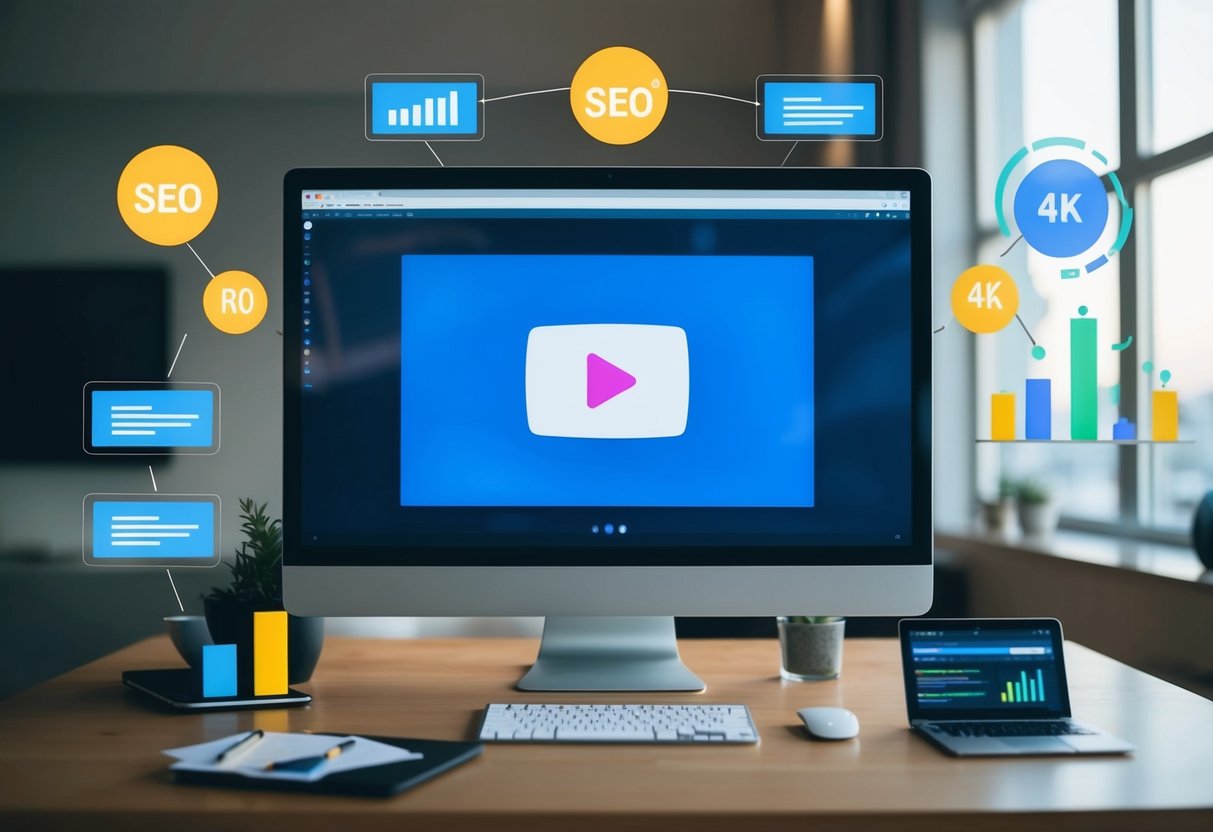
Video transcription plays a crucial role in enhancing search engine optimization for video content. It provides text-based context that search engines can easily crawl and index, improving visibility and reach.
The Importance of Transcription in Video Content
Video transcription significantly boosts SEO efforts by making content more accessible to search engines. It allows search algorithms to understand the full context of a video, beyond just titles and descriptions. Transcripts provide a wealth of text-based information that can be indexed and matched to user queries.
We’ve found that transcribed videos often rank higher in search results. This improved visibility leads to increased organic traffic and potential engagement. Transcripts also enhance accessibility, catering to users who prefer reading or have hearing impairments.
By including relevant keywords naturally within the transcript, we create more opportunities for our videos to appear in search results.
How Search Engines Index Video Content
Search engines primarily rely on text to understand and index content. While they’ve made strides in video analysis, text remains the most reliable method for indexing.
When we provide a transcript, search engines can thoroughly crawl the content. This allows them to better understand the video’s subject matter and context.
Transcripts enable search engines to:
- Identify key topics and themes
- Recognize relevant keywords and phrases
- Determine the video’s relevance to specific search queries
By making our video content more “readable” for search engines, we significantly increase its chances of ranking well in search results.
The Role of Keywords in Video Transcription
Keywords play a vital part in optimizing video transcripts for SEO. We strategically incorporate relevant keywords and phrases throughout the transcript to improve search visibility.
It’s important to use keywords naturally and contextually. Overusing or forcing keywords can lead to penalties from search engines.
Key practices for keyword use in transcripts:
- Include primary and secondary keywords
- Use long-tail keywords for specific queries
- Ensure keyword placement in important sections (introduction, conclusion)
We also pay attention to keyword density, aiming for a natural distribution that aligns with SEO best practices. This approach helps our videos rank for targeted search terms without compromising content quality.
Best Practices for Transcribing Videos
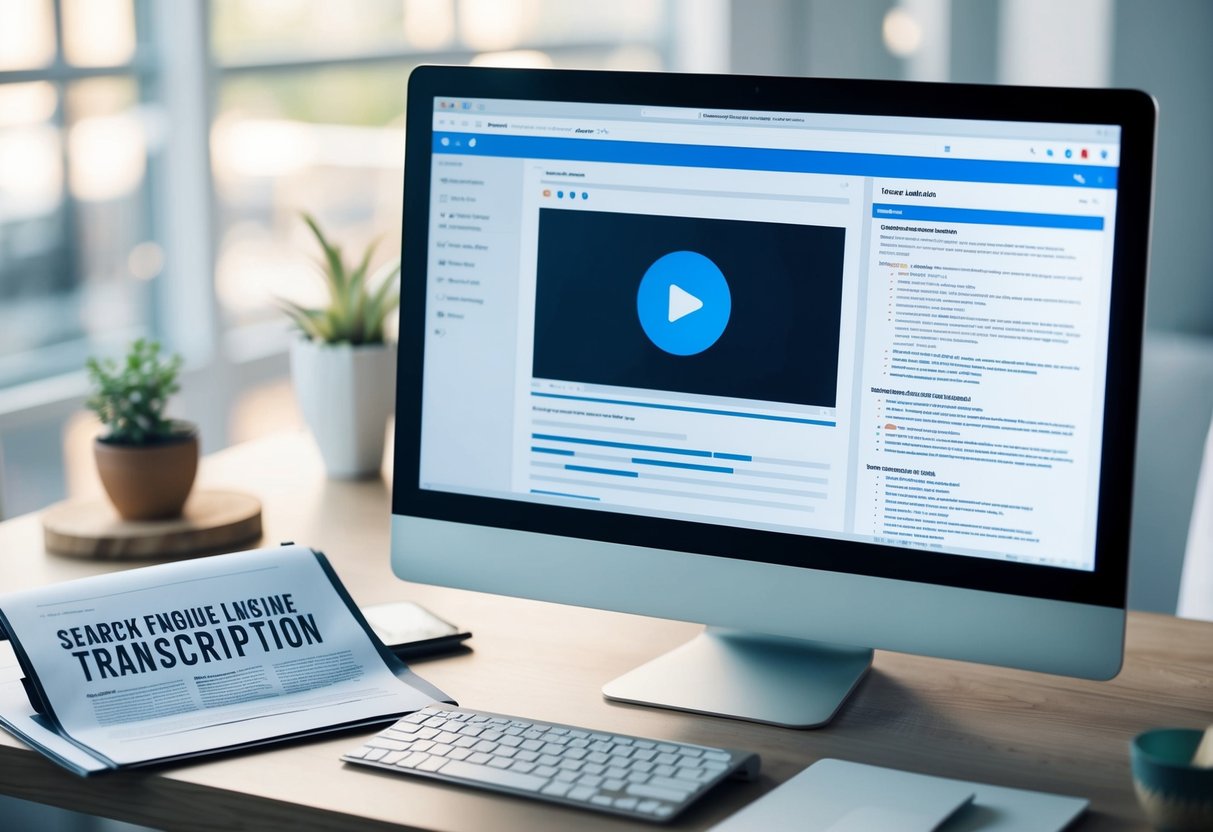
Effective video transcription requires careful attention to detail and the right approach. We’ll explore key techniques to create accurate, SEO-friendly transcripts that enhance accessibility and engagement.
Choosing the Right Tools for Transcription
Selecting appropriate transcription tools is crucial for efficiency and accuracy. We recommend using specialized software like Otter.ai or Sonix, which offer advanced features such as real-time transcription and multi-language support. These tools can significantly speed up the process and provide a solid foundation for your transcript.
For more complex videos, a hybrid approach combining automated transcription with manual review often yields the best results. This method balances speed and accuracy, allowing us to leverage technology while ensuring human oversight catches nuances and corrects errors.
Ensuring Accuracy in Transcripts
Accuracy is paramount in video transcription. We always perform a thorough review of automated transcripts, paying close attention to technical terms, proper names, and industry-specific jargon. It’s helpful to have subject matter experts involved in the review process, especially for content in specialized fields.
Creating a custom dictionary of frequently used terms can improve accuracy over time. We also recommend listening to the audio at a slower speed during the review process to catch subtle details and ensure precise transcription of every word.
Incorporating Time Stamps and Speaker Identification
Time stamps and speaker identification greatly enhance the usability of transcripts. We add time stamps at regular intervals, typically every 30 seconds to 1 minute, allowing viewers to easily navigate to specific points in the video.
For videos featuring multiple speakers, clear speaker identification is essential. We use consistent formatting to distinguish between speakers, such as bolding their names or using different colors. This practice improves readability and helps viewers follow the conversation flow.
Including these elements not only aids comprehension but also boosts SEO by providing additional context for search engines to understand and index the content effectively.
Optimizing Transcripts for Search Engines
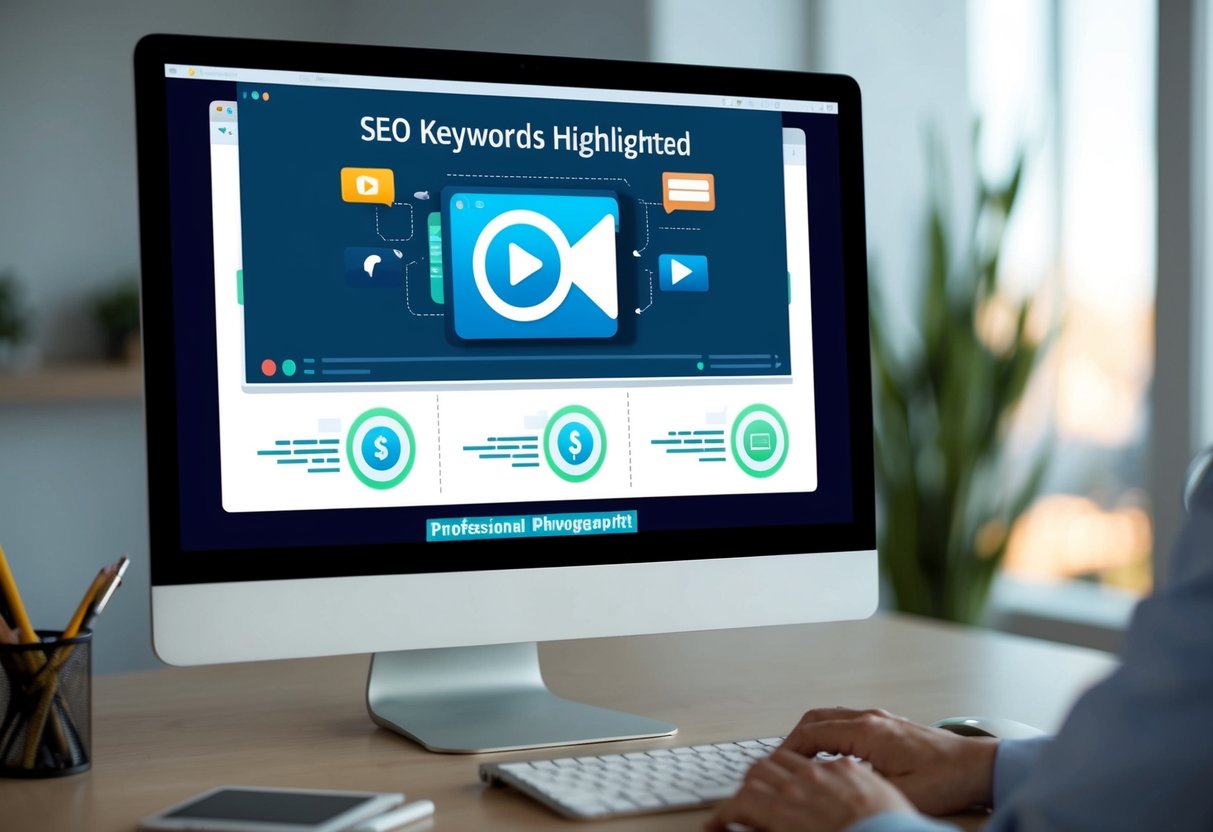
Transcripts offer a powerful way to boost video SEO. We’ll explore key strategies to maximize their impact on search engine rankings and visibility.
Keyword Optimization in Transcripts
When optimizing transcripts, we focus on strategic keyword placement. We incorporate relevant keywords naturally throughout the text, avoiding overstuffing. Prioritizing long-tail keywords can help target specific search queries.
We analyze search intent to match transcript content with user needs. This involves including synonyms and related terms to cover a broader range of searches.
It’s crucial to maintain readability while optimizing. We ensure the transcript flows naturally and provides value to human readers, not just search engines.
Using Metadata and Descriptions
Metadata plays a vital role in video SEO. We craft compelling video titles that include primary keywords. Descriptions should summarize the video content concisely while incorporating relevant keywords.
We utilize tags to categorize the video and improve its discoverability. Custom thumbnails with text overlays can boost click-through rates from search results.
File names for transcripts and videos should include target keywords. This small detail can contribute to overall SEO efforts.
Implementing Structured Data for Rich Snippets
Structured data enhances search visibility through rich snippets. We implement schema markup for videos, including details like duration, upload date, and transcript availability.
This markup helps search engines understand the video content better. It can lead to enhanced search listings with additional information displayed.
We use JSON-LD format for easy implementation and maintenance. Regular testing ensures the structured data remains accurate and up-to-date.
Integrating Transcripts into Your Website
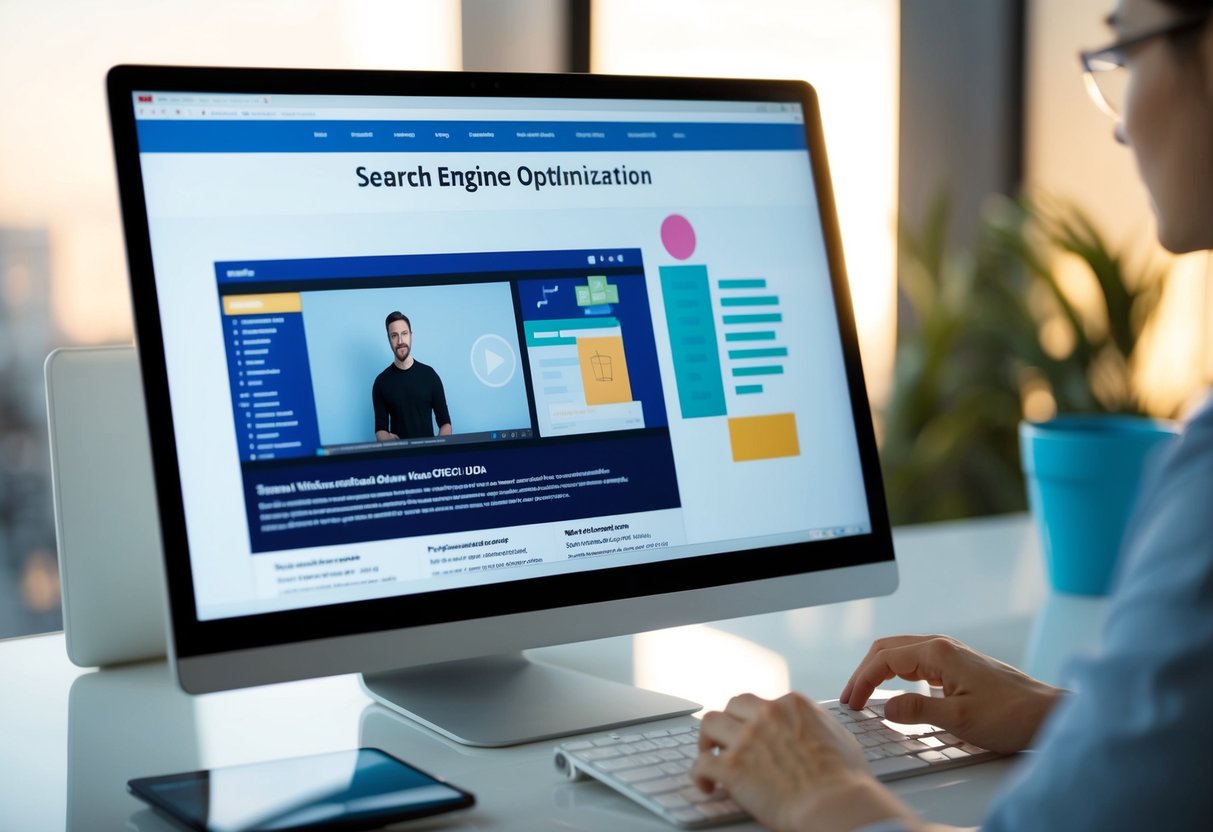
Incorporating video transcripts into our website can significantly boost SEO performance. We’ll explore effective methods to seamlessly integrate these valuable text assets.
One approach is to add the transcript directly below the video player. This placement allows users to easily reference the text while watching, enhancing accessibility and user experience.
Alternatively, we can create a separate page for each transcript, linking it from the video page. This strategy increases our site’s overall content and creates additional indexable pages for search engines.
Implementing expandable transcript sections is another option. Users can click to reveal the full text, keeping the page clean while providing access to the complete content.
For optimal SEO benefits, we should include relevant keywords naturally within the transcript. This helps search engines understand our video content more thoroughly.
We can also use structured data markup to provide search engines with clear information about our video and transcript content. This improves the chances of rich snippet displays in search results.
It’s crucial to ensure our transcripts are mobile-friendly. Responsive design allows for easy reading on various devices, improving user experience and potentially boosting our search rankings.
Lastly, we should consider adding timestamps to our transcripts. This feature enables users to jump to specific parts of the video, enhancing navigation and potentially increasing watch time.
Video Transcription and User Experience
Video transcription enhances the overall user experience by making content more accessible, engaging, and versatile. We’ll explore how transcripts improve accessibility, boost user engagement, and enable multilingual support.
Enhancing Accessibility with Video Transcripts
Video transcripts make content accessible to a wider audience, including those with hearing impairments or in sound-sensitive environments. They allow users to consume video content silently, which is crucial in public spaces or office settings.
Transcripts also benefit users with slow internet connections, as text loads faster than video. This ensures that everyone can access the information, regardless of their bandwidth limitations.
For those who prefer reading to watching, transcripts provide a quick way to scan content and decide if the full video is worth their time. This flexibility caters to different learning styles and preferences.
Improving User Engagement with Searchable Text
Searchable transcripts enable users to quickly find specific information within a video. This feature is especially valuable for longer videos or educational content.
Users can easily locate key points, quotes, or topics of interest by using search functions within the transcript. This saves time and enhances the learning experience.
Transcripts also allow for easy note-taking and reference. Students and professionals can copy important sections directly from the text, improving retention and facilitating further research.
By providing a text version alongside the video, we cater to users who may want to switch between watching and reading based on their current situation or preference.
Offering Multilingual Support Through Transcription
Video transcription opens up opportunities for multilingual support, expanding the reach of content to global audiences. Transcripts can be easily translated into multiple languages, making videos accessible to non-native speakers.
Translated transcripts allow viewers to follow along in their preferred language while watching the original video. This dual-language experience can aid in language learning and comprehension.
For businesses, multilingual transcripts help penetrate new markets and engage international audiences. They demonstrate a commitment to inclusivity and can significantly boost global SEO efforts.
Automated translation tools can be used to quickly generate multilingual transcripts, though human review is recommended for accuracy. This process is often more cost-effective than creating multiple language versions of a video.
Content Marketing Strategies using Video Transcription
Video transcription opens up numerous opportunities for content marketing. By converting spoken words into text, we can expand our reach and maximize the value of our video content across multiple platforms and formats.
Repurposing Transcribed Content
Transcripts serve as a goldmine for creating diverse content types. We can extract key points from video transcripts to craft infographics that visually represent important data or concepts. These eye-catching visuals are perfect for sharing on social media platforms like Pinterest or Instagram.
Transcripts also enable us to develop ebooks or whitepapers by expanding on the topics discussed in our videos. This allows us to offer in-depth resources to our audience, positioning ourselves as industry experts.
Additionally, we can use transcripts to create downloadable PDF guides or checklists. These valuable resources can be offered as lead magnets to grow our email list and nurture potential customers.
Leveraging Transcripts for Social Media Snippets
Video transcripts provide a wealth of content for social media engagement. We can extract compelling quotes or statistics from our transcripts to create shareable social media posts. These bite-sized pieces of content are perfect for platforms like Twitter or LinkedIn, where concise messaging is key.
Short video clips with accompanying captions, derived from our transcripts, can boost engagement on platforms like Instagram Reels or TikTok. This approach caters to users who prefer to consume content with the sound off.
We can also use transcripts to create carousel posts on Instagram or LinkedIn. Each slide can highlight a different point from our video, providing valuable information in an easily digestible format.
Transcripts as a Basis for Blog Posts and Articles
Video transcripts serve as excellent starting points for creating written content. We can expand on key topics discussed in our videos to develop comprehensive blog posts or articles. This approach allows us to delve deeper into subjects, providing additional context and value to our audience.
By incorporating relevant keywords from our transcripts, we can optimize these articles for search engines, improving our overall SEO strategy.
We can also use transcripts to create a series of related blog posts, breaking down complex topics into more manageable pieces. This strategy helps us maintain a consistent content schedule while thoroughly covering important subjects.
Tracking SEO Performance of Transcribed Videos
Measuring the impact of video transcriptions on search engine optimization requires careful analysis and monitoring. We’ll examine key metrics and strategies to evaluate how transcripts influence traffic, rankings, and overall SEO performance.
Analyzing Transcript Impact on Traffic
Video transcripts can significantly boost organic traffic to our website. We track visitor numbers before and after adding transcriptions to gauge their effect. Google Analytics helps us measure changes in organic search traffic, time on page, and bounce rates for pages with transcribed videos.
We also monitor referral sources to identify if transcripts are driving traffic from new channels. Comparing engagement metrics like scroll depth and click-through rates provides insights into how users interact with transcribed content.
Monitoring Keyword Rankings for Video Content
Transcripts expand our keyword targeting potential. We use rank tracking tools to monitor how our videos perform for relevant search terms. This includes tracking featured snippet placements and video carousel rankings.
We analyze which keywords from transcripts are driving the most traffic and conversions. Adjusting our targeting based on this data helps optimize future video content. Regular keyword research ensures we’re capturing new opportunities as they arise.
Using Analytics to Refine Video SEO Strategy
Data-driven insights guide our video SEO efforts. We set up custom segments in Google Analytics to isolate traffic from transcribed videos. This allows us to measure conversion rates and user behavior patterns specific to this content.
Heatmaps and session recordings reveal how users engage with video transcripts. We use this information to improve transcript formatting and placement. A/B testing different transcript styles helps us determine the most effective presentation for our audience.
Integrating data from multiple sources provides a comprehensive view of our video SEO performance. We continuously refine our strategy based on these insights, ensuring our transcribed videos deliver maximum SEO value.
Legal and Ethical Considerations in Video Transcription
Video transcription involves important legal and ethical responsibilities. We must navigate accessibility requirements and copyright laws to ensure our transcripts are compliant and respect intellectual property rights.
Compliance with Accessibility Laws
Accessibility laws require many organizations to provide transcripts for video content. The Americans with Disabilities Act (ADA) mandates that businesses and public entities make their digital materials accessible to people with disabilities. This includes providing text alternatives for audio and video content.
We need to ensure our transcripts are accurate and include relevant non-speech audio information. Proper formatting, speaker identification, and time-syncing are crucial for creating fully accessible transcripts.
Many educational institutions must also comply with Section 508 standards for web accessibility. By providing high-quality video transcripts, we help meet these legal requirements and create more inclusive content.
Handling Copyright and Fair Use
When transcribing video content, we must be mindful of copyright laws. Verbatim transcripts of copyrighted material may infringe on the rights of content owners. It’s essential to obtain proper permissions before transcribing and publishing copyrighted videos.
Fair use allows limited use of copyrighted material without permission for purposes like criticism, commentary, or education. We should carefully evaluate whether our use of transcribed content falls under fair use guidelines.
For user-generated content, platforms typically require uploaders to have rights to the material. When transcribing such videos, we should verify that proper permissions are in place.
Frequently Asked Questions
Video transcription plays a crucial role in enhancing SEO performance. We’ll address common questions about optimizing video content, improving rankings, and leveraging various platforms for maximum visibility.
How do I optimize video content for SEO?
To optimize video content for SEO, focus on creating high-quality, engaging videos with relevant keywords in titles, descriptions, and tags. Include transcripts and closed captions to make your content more accessible and searchable.
Optimize thumbnail images and use descriptive file names. Create a video sitemap to help search engines understand your video content better.
Does adding transcriptions to videos improve SEO ranking?
Yes, adding transcriptions to videos can significantly improve SEO ranking. Transcripts provide search engines with text-based content to index, making it easier to understand and rank your video.
Transcriptions also improve user experience by making your content accessible to a wider audience, including those with hearing impairments or non-native speakers.
Why is marketing YouTube videos crucial for brands?
Marketing YouTube videos is crucial for brands because YouTube is the second-largest search engine after Google. It offers immense potential for reaching and engaging target audiences.
YouTube videos can drive traffic to your website, increase brand awareness, and boost conversions. They also provide opportunities for social sharing and can be embedded on other platforms.
How does video schema markup affect SEO performance?
Video schema markup enhances SEO performance by providing search engines with structured data about your video content. This helps search engines understand and display your videos more effectively in search results.
Schema markup can lead to rich snippets, which are more visually appealing and can increase click-through rates. It also helps search engines identify key information like duration, upload date, and thumbnail.
Can including captions for Instagram videos aid in SEO?
Including captions for Instagram videos can indeed aid in SEO efforts. While Instagram itself isn’t directly indexed by search engines, captions can improve discoverability within the platform.
Use relevant hashtags and keywords in your captions to increase visibility. This can lead to higher engagement, which may indirectly boost your overall SEO performance through increased brand awareness and traffic.
Do YouTube subtitles contribute to SEO, and if so, how?
YouTube subtitles do contribute to SEO. They provide text-based content that search engines can crawl and index, improving the visibility of your videos in search results.
Subtitles also enhance user experience, increasing watch time and engagement. YouTube’s algorithm considers these factors when ranking videos, potentially boosting your content’s visibility on the platform.
